This guide offers a concise overview of essential herbs tailored for warrior cats‚ highlighting their role in strength‚ stamina‚ and recovery. It sets the stage for deeper exploration of digestive needs‚ seasonal sourcing‚ and safe preparation techniques.
This guide balanced growth now resilience
Overview of the Article
Welcome to the definitive guide for warrior cats‚ where ancient herbal wisdom meets modern feline health science. This article is structured to walk you through every essential step—from understanding the unique digestive system of a warrior cat to selecting‚ sourcing‚ and preparing herbs that support strength‚ stamina‚ and recovery. We begin by outlining the core nutritional requirements that define a warrior cat’s diet‚ emphasizing how herbs can fill gaps in protein‚ minerals‚ and antioxidants. Next‚ we present a curated list of the top ten herbs‚ each chosen for its proven benefits in boosting muscle tone‚ enhancing immune function‚ and accelerating healing after battles or injuries.
Seasonal availability is critical; the article offers a detailed calendar of when and where to find each herb‚ ensuring you never miss a crucial supply window. Preparation methods are covered with step-by-step instructions on cleaning‚ drying‚ and storing herbs to preserve potency. Feeding schedules are broken down into daily‚ weekly‚ and monthly plans‚ allowing you to tailor portions to your cat’s age‚ activity level‚ and health goals. Safety precautions address potential allergies‚ toxicity risks‚ and contraindications‚ ensuring you can confidently incorporate herbs into your warrior cat’s regimen. Finally‚ the conclusion provides resources for further reading and encourages consultation with veterinary professionals to personalize the herb program. Enjoy!!
Understanding Warrior Cat Herb Needs
Warrior cats thrive on herbs that boost muscle repair‚ immune resilience‚ and mental sharpness.Their herb needs match highprotein diets requiring antioxidants antiinflammatories and digestible fibers. Selecting the right mix ensures stamina recovery balanced nutrition.Peak performance achieved.!!
Digestive System and Nutritional Requirements
Warrior cats have a rapid‚ acid‑rich stomach that quickly breaks down protein‑dense prey. A short intestine limits transit time‚ maximizing absorption of amino acids‚ minerals‚ and vitamins essential for muscle repair and energy.
Essential amino acids—leucine‚ lysine‚ methionine—fuel muscle growth. Calcium‚ phosphorus‚ iron‚ and zinc strengthen bones and immunity. Nettle and dandelion add iron and antioxidants‚ enhancing the mix.
Proteases and lipases break protein and fat. Peppermint and ginger boost enzyme release and calm the gut lining‚ easing ulcers and aiding digestion during intense activity.
Water fuels enzymes and waste removal. Water‑rich herbs like cucumber and watermelon supply electrolytes and antioxidants‚ aiding gut health and preventing dehydration.
Soluble fiber from chicory or psyllium boosts gut motility and feeds friendly bacteria‚ producing short‑chain fatty acids that shield the colon while preserving protein absorption.
Use 1–2 g dried herb per 10 kg body weight‚ divided into two meals. Adjust for seasonal potency or tolerance to prevent gut irritation.
Add herbs under vet guidance‚ especially for kidney or liver issues. Periodic blood tests monitor organ health‚ keeping supplementation safe. Monitor stool color.
By aligning herb selection with the cat’s natural physiology‚ caretakers can ensure optimal performance and long‑term vitality. Regular monitoring‚ balanced portions‚ and responsive adjustments create a resilient digestive system that supports every hunt and recovery. Consistency and vigilance are key. Seasonal variations in herb potency require periodic re‑evaluation. Vet oversight guarantees safety. Adjust needed. Weight check
Common Herbs and Their Benefits
Key herbs for warrior cats include nettle‚ dandelion‚ and ginseng‚ each boosting immunity‚ healing wounds‚ and enhancing agility. Nettle supplies iron‚ dandelion detoxifies‚ while ginseng restores energy and sharpens focus during battlesStrong warriors rise
List of Top 10 Warrior Cat Herbs
- Nettle – rich in iron‚ vitamins‚ supports muscle repair and boosts stamina during hunts.
- Dandelion – detoxifies liver‚ promotes healthy digestion‚ and strengthens the immune system.
- Ginseng – revitalizes energy‚ sharpens focus‚ and aids in rapid recovery after battles.
- Echinacea – enhances resistance to infections‚ especially useful during seasonal changes.
- Ashwagandha – reduces stress‚ improves endurance‚ and supports joint flexibility.
- Turmeric – anti‑inflammatory properties help heal wounds and soothe sore muscles.
- Ginger – aids digestion‚ reduces nausea‚ and promotes circulation for swift movements.
- Hawthorn – strengthens cardiovascular health‚ essential for high‑intensity pursuits.
- Valerian – calms nerves‚ aids restful sleep‚ and improves mental clarity.
- Catnip – boosts mood‚ encourages play‚ and can distract foes during patrols.
These herbs‚ when combined with a balanced diet‚ create a holistic regimen that supports every aspect of a warrior cat’s life—from sharpening reflexes to accelerating tissue repair. Incorporating them into daily meals‚ either as dried powders or fresh infusions‚ ensures consistent intake of essential micronutrients. Remember to monitor each cat’s response‚ adjust portions as needed‚ and consult a veterinarian for personalized guidance. Additionally‚ rotating herbs weekly can prevent tolerance build‑up and keep the digestive system responsive. daily.Now.
Seasonal Herb Availability
Seasonal herb availability dictates optimal feeding times. Spring offers fresh nettle‚ summer provides robust rosemary‚ autumn supplies sage‚ and winter yields hardy thyme. Tracking growth cycles ensures warriors receive peak nutrients when needed. Harvest timing aligns with moon phases‚ boosting herb.
When and Where to Source Herbs
Remember to rotate herb sources to prevent over‑exposure to plant’s compounds‚ and to keep your warrior cats’ digestive systems balanced guide. When traveling‚ carry dried or powdered herbs in airtight containers‚ and keep a kit for unforeseen reactions.!!
- Local foraging: identify safe‚ pesticide‑free patches.
- Seasonal markets: buy freshly harvested herbs from trusted vendors.
- Home cultivation: grow thyme‚ oregano‚ and rosemary in containers.
- Wildlife protection: avoid over‑harvesting and respect protected areas.
- Documentation: keep a log of herb origins and harvest dates.
Remember to rotate herb sources to prevent over‑exposure to plant’s compounds‚ and to keep your warrior cats’ digestive systems balanced guide. When traveling‚ carry dried or powdered herbs in airtight containers‚ and keep a kit for unforeseen reactions.!!
Preparing Herbs for Cats
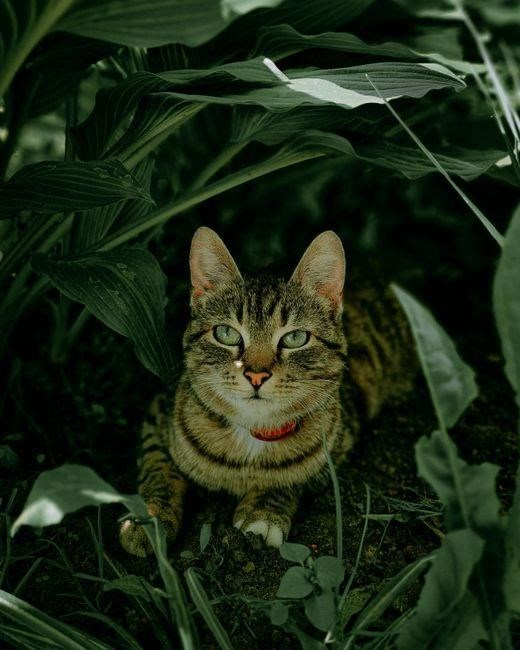
Guide: wash herbs with cool water‚ remove dirt‚ then dry in a shaded area. Once dry‚ crush or grind to fine powder. Store in airtight containers‚ away from light and moisture. Use small amounts in meals‚ monitoring for any digestive upset. Store in a cool‚ dry place
Cleaning‚ Drying‚ and Storage Techniques
Guide: Begin by selecting fresh‚ unblemished herbs. Rinse each leaf under running water‚ gently agitating to remove soil and insects. Pat dry with a clean towel or allow to air‑dry briefly. For optimal preservation‚ spread herbs on a clean‚ dry tray and place them in a well‑ventilated‚ shaded area. Avoid direct sunlight to prevent nutrient loss. Once fully dry‚ store herbs in airtight glass jars or resealable bags‚ ensuring they are kept in a cool‚ dark pantry. Label each container with the herb name and harvest date. For long‑term storage‚ consider vacuum sealing or adding a small silica gel packet to absorb moisture. Prior to use‚ inspect herbs for any signs of mold or off‑odors; discard any compromised material. When rehydrating‚ use warm water‚ not boiling‚ to preserve delicate compounds. Incorporate herbs into meals gradually‚ monitoring your warrior cat for any digestive reactions. This systematic approach ensures maximum potency and safety in every dose. Additionally‚ maintain herb shelves in a temperature‑controlled room to prevent fluctuations that could lead to degradation. Use silicone bags for short‑term storage and label them with usage dates to track freshness. When re‑drying herbs‚ spread them thinly on a paper towel and place under a fan to speed drying while avoiding direct heat. For longer term preservation‚ consider freeze‑drying methods which retain most nutrients and flavor. Store freeze‑dried herbs in vacuum sealed bags and keep them in the freezer until ready for use. When adding herbs to food‚ measure avoid overdose.
Feeding Schedule and Portions
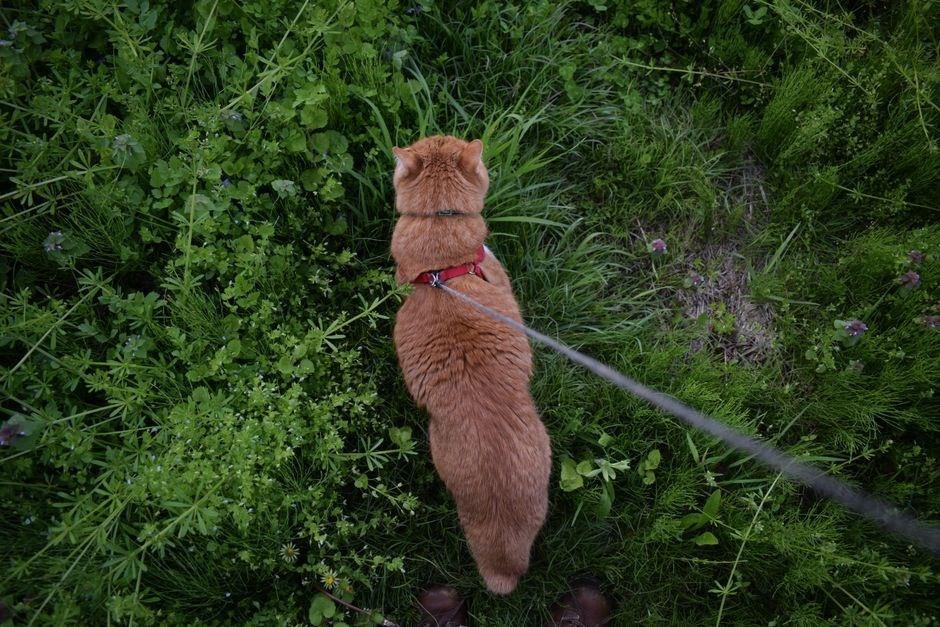
This section outlines daily‚ weekly‚ and monthly herb portions for warrior cats‚ ensuring balanced intake for energy‚ recovery‚ and immunity. It recommends 1–2 teaspoons per meal‚ rotating herbs‚ and adjusting based on activity level and health status. Adjust portions during growth or training now.
Daily‚ Weekly‚ and Monthly Feeding Plans
For warrior cats‚ a structured herb schedule supports peak performance and recovery. A typical day starts with a light dose of energizing herbs—such as nettle or dandelion—mixed into the first meal. The midday portion should include a restorative blend‚ like valerian or chamomile‚ to aid muscle repair. The evening meal receives a calming herb‚ for example‚ catnip or valerian‚ at a reduced quantity to promote restful sleep. This routine promotes resilience and sharpness daily.!!
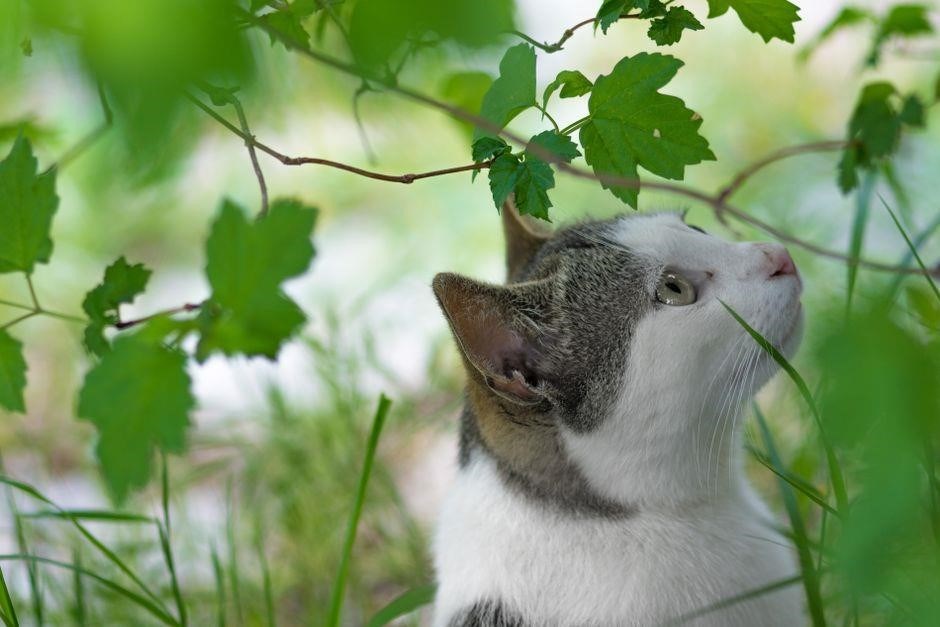
Weekly rotation is essential to prevent tolerance maintain a broad spectrum of benefits. A typical week includes three energizing days‚ two restorative days‚ one detoxifying day‚ and a rest day. Adjust portions based on activity level and health indicators. During intense training‚ increase energizing herbs by 25% and add a small dose of ginseng. If fatigue or digestive upset occurs‚ reduce restorative herbs by 15% and add a soothing herb like lemon balm. Regular veterinary checks refine the schedule‚ ensuring optimal balance between strength‚ stamina‚ recovery
Monthly reviews are crucial for long‑term success. Track weight‚ activity‚ and any signs of herb intolerance. Adjust the overall herb mix by adding or removing specific herbs‚ and consider seasonal variations that affect potency. A well‑balanced monthly plan ensures that each warrior cat receives the right blend of energy‚ healing‚ and calm‚ supporting sustained performance and longevity.
Safety Precautions and Contraindications
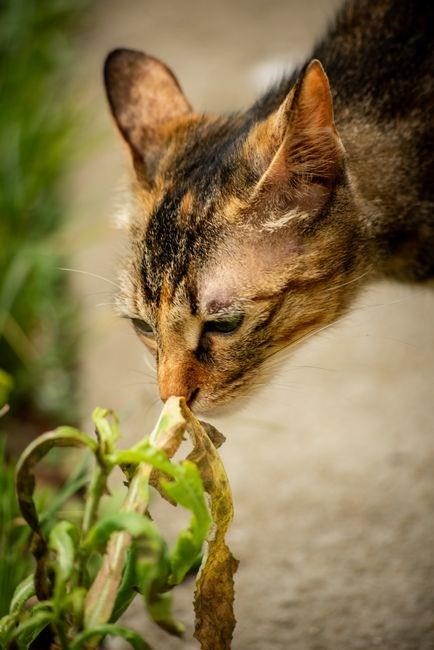
Before adding herbs‚ consult a vet. Monitor for signs of upset‚ rash‚ or lethargy. Avoid herbs high in salicylates or coumarin if the cat has liver issues. Store in cool‚ dry places and keep out of reach of curious paws. Use only recommended doses. Never exceed 0.1% of body weight per day. Keep.!
Potential Allergies and Toxicity Risks
When incorporating herbs into a warrior cat’s diet‚ vigilance is essential. Even the most common botanicals can trigger hypersensitivity reactions‚ ranging from mild itching to severe anaphylaxis. Signs such as hives‚ swelling of the muzzle‚ vomiting‚ or sudden lethargy warrant immediate veterinary attention.
Some herbs contain compounds that may overwhelm a cat’s liver or kidneys. For instance‚ high levels of salicylates can lead to hepatic distress‚ while coumarin-rich plants may increase bleeding risk. Cats with pre‑existing organ conditions should avoid these species entirely.
To mitigate risk‚ start with a low dose and observe for 48 hours before increasing. Keep a detailed log of each herb‚ the amount given‚ and any reactions. If an adverse event occurs‚ discontinue use and seek professional care. This precautionary approach is a cornerstone of any responsible herbal regimen.
Remember‚ the safety of your warrior cat depends on careful selection‚ proper dosing‚ and ongoing monitoring. A well‑structured guide can help you navigate these complexities while ensuring your feline remains healthy and resilient.
Always consult a qualified herbalist or veterinarian before introducing new botanicals. Document each herb’s source‚ preparation method‚ and batch number. In case of adverse reaction‚ discontinue immediately and seek emergency care. Long use should be periodically reviewed to adjust for growth or health changes.
and Resources
Final thoughts emphasize balanced herb use for warrior cats‚ ensuring vitality and safety. For deeper insight‚ consult veterinary nutritionists‚ reputable herbalists‚ and peer‑reviewed studies. Resources include academic journals‚ online forums‚ trusted suppliers.
Further Reading and Professional Consultation
For those seeking to deepen their understanding of herbal support for warrior cats‚ a curated selection of literature and expert resources is essential. Begin with foundational texts such as “Herbal Nutrition for Feline Warriors” by Dr. L. Finch‚ which outlines the biochemical pathways through which specific botanicals enhance muscle repair‚ immune resilience‚ and stress modulation. Complement these studies with peer‑reviewed articles from the Journal of Veterinary Pharmacology‚ particularly the 2023 review on adaptogenic herbs in carnivorous species.
Professional guidance is equally vital. Certified veterinary nutritionists can tailor herb regimens to individual health profiles‚ ensuring compatibility with medications and chronic conditions. Consider consulting the American Association of Feline Practitioners’ guidelines on botanical supplements‚ which provide dosage ranges‚ contraindications‚ and monitoring protocols. Additionally‚ the International Society for Feline Medicine hosts annual webinars featuring leading herbalists who discuss emerging evidence and practical application.
Online communities‚ such as the Feline Herbalists Forum‚ offer peer support and real‑world case studies‚ while reputable suppliers maintain transparent sourcing records and third‑party lab testing. Always verify that any herb product meets the standards set by the United States Pharmacopeia or the European Pharmacopoeia. By integrating scholarly research‚ professional oversight‚ and community insight‚ you can create a robust‚ evidence‑based herb strategy that supports the vigor and longevity of warrior cats.
Stay informed‚ stay proactive daily now.