Overview of Edge Clamp Saw Guides
Edge clamp saw guides secure a straight edge to your workpiece, guiding circular saws or routers for precise cuts. They clamp onto wood, plywood, MDF, and provide a stable track. Quick‑release and heavy‑force designs, like 90 kg clamps, ensure firm contact and repeatability. Ideal for hobbyists and pros
1.1 Definition and Core Functions
Edge clamp saw guides secure a straight edge to a workpiece, allowing a circular saw or router to follow a defined path with high accuracy. The core function is to provide a stable, repeatable reference line that eliminates the need for a separate straightedge or jigsaw guide. By clamping the guide directly onto the material, the user ensures that the saw blade remains flush with the edge, reducing wobble and improving cut quality. Most guides feature a quick‑release mechanism, enabling rapid attachment and detachment for multi‑piece projects. The clamp typically exerts a significant clamping force—often 90 kg or more—to keep the guide firmly in place during cutting. Materials such as aluminum alloy, steel, or reinforced nylon are used to balance strength and weight. The guide’s inner profile is engineered to match the saw’s blade width, providing a smooth, continuous track. This design is especially useful for cutting plywood, MDF, and other engineered woods where a straight, clean edge is critical. Additionally, many guides include protective tips that safeguard the blade from damage and extend tool life. Overall, the edge clamp saw guide streamlines the workflow, enhances precision, and reduces the risk of error in both hobbyist and professional settings. These guides are used in cabinetry where straight cuts are critical. They can be mounted on a workbench or onto the material, offering versatility for both and large projects. The ease of use and durability make them a staple in many workshops!!

Material and Build Options
Aluminum alloy offers lightweight, corrosion‑resistant build, ideal for portable use. Steel construction provides superior strength and durability, handling heavier clamping forces. Choice depends on project weight, frequency, and tool compatibility. Hybrid models blend lightness with strength for use day.
2.1 Aluminum Alloy vs. Steel Construction
Aluminum alloy edge clamp saw guides are prized for their lightweight profile, which reduces fatigue during prolonged use and allows for easier transport between job sites. The 1.5 mm thick aluminum plates commonly found in models such as the 544060 extension offer a smooth, flat contact surface that minimizes tool vibration. However, the lower modulus of elasticity can lead to slight deflection under high‑force cuts, especially when working with dense hardwoods or large plywood panels.

Steel‑constructed guides, on the other hand, deliver a higher clamping force and superior rigidity. The 588‑lb pressure rating of the Ironton 48‑inch clamp demonstrates the capacity of steel to maintain a straight path even under repeated, heavy‑weight loads. The trade‑off is added weight, which can be a consideration for mobile workstations or when the guide must be positioned on a table saw where balance is critical.
Hybrid designs attempt to merge the best of both worlds by incorporating a steel core with an aluminum outer shell. This configuration keeps the guide’s mass manageable while preserving the structural integrity needed for precision routing. When selecting between aluminum and steel, consider the typical material thickness, the frequency of use, and whether the guide will be mounted on a stationary table or a portable workbench.
Cost considerations also play a role: aluminum guides typically cost 10–15 % less than their steel counterparts, making them attractive for hobbyists or small workshops. Steel guides, while pricier, offer longer lifespan with minimal maintenance, as they resist dents and wear from repeated clamping. Maintenance involves occasional oiling of pivot points to prevent rust on steel models, whereas aluminum requires only periodic cleaning to keep the contact surface free of dust. Ultimately, the choice hinges on balancing weight, strength, and budget to match the specific demands of your cutting projects.
Leading Models in the Market
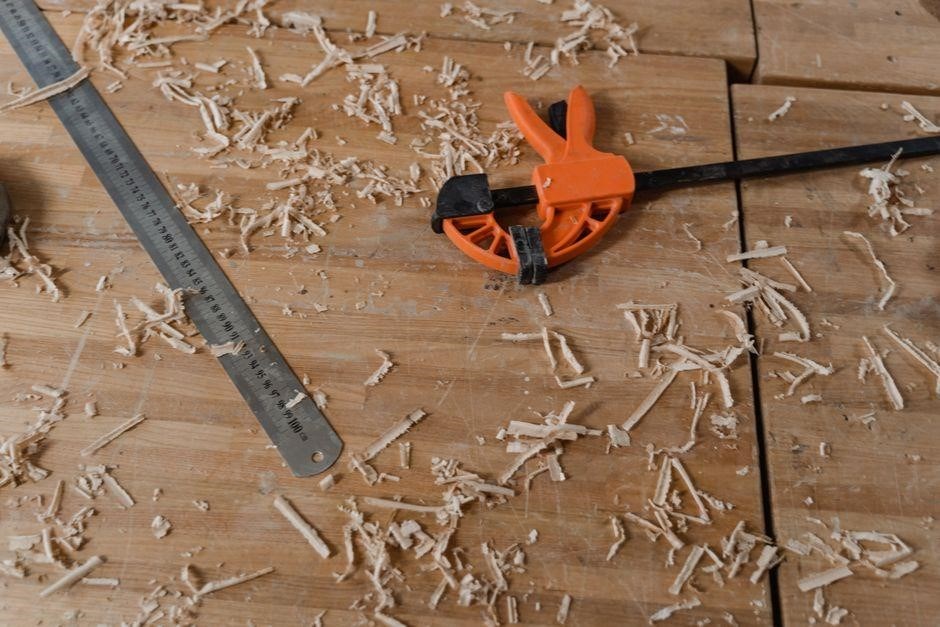
The Ironton 48‑inch clamp offers 588‑lb pressure and a 49.6‑in opening, ideal for beginners. Powertec’s 71705 contractor clamp delivers 90 kg force with quick‑release. Both models feature aluminum alloy construction for durability and ease of use. Both fit 1‑inch tracks and feature quick‑release levers!!
3.1 Ironton 48‑Inch Guide and Powertec 71705 Contractor Clamp
The Ironton 48‑inch clamp edge saw guide is a staple for both hobbyists and professionals. It features a 49.6‑inch opening and a maximum clamping pressure of 588 lb, which is sufficient to hold large sheets of plywood, MDF, and even hardwood without slipping. The guide is constructed from high‑strength aluminum alloy, giving it a lightweight yet durable profile that resists warping and corrosion. Its simple locking system allows the user to clamp the guide onto the workpiece in seconds, and the integrated 1‑inch track is compatible with most standard circular saw tracks and router guides. The guide’s edge is machined to a tolerance of ±0.005 in, ensuring that the saw blade follows a perfectly straight line. In addition, the guide can be used as a straight‑edge substitute for a jigsaw or a router, providing a stable reference for long cuts or repeatable passes. Users report that the Ironton guide’s quick‑release latch can be operated with one hand, making it ideal for tight workspaces. The Powertec 71705 contractor clamp is a high‑force, quick‑release clamp that delivers 90 kg (≈198 lb) of clamping pressure. It is built from a reinforced aluminum alloy with a 1.5‑mm thick face plate, giving it a robust feel while remaining easy to handle. The clamp’s design includes a protective tip that prevents damage to the workpiece and a quick‑release lever that allows the user to disengage the clamp in a single motion. The 71705 is compatible with a wide range of track widths, from 1‑inch to 1.25‑inch, and can be used with both circular saws and routers. Its ergonomic handle and smooth‑rising cam action reduce fatigue during prolonged use. The clamp also features a built‑in indicator that shows when the clamp has reached full pressure, ensuring consistent results across multiple cuts. The Powertec clamp’s cam lever is engineered to provide a smooth, linear increase in pressure, which helps maintain a consistent grip as the tool moves along the guide. Both products are available in multiple finishes, including anodized aluminum and powder‑coated steel, allowing shop owners to match the aesthetic of their existing tool lineup. Warranty coverage for the Powertec clamp extends to five years on the face plate, while the Ironton guide comes with a lifetime guarantee against manufacturing defects. When paired together, these tools create a versatile system that can handle everything from thin trim to thick plywood panels, ensuring that every cut is clean, straight, and repeatable. The ergonomic design of the Powertec clamp’s handle reduces wrist strain, and the guide’s low profile minimizes the chance of snagging on the workpiece edge. Both tools are lightweight, with the Ironton guide weighing just 2.3 lb and the Powertec clamp at 3.1 lb, making them easy to transport between job sites. They also feature a built‑in safety lock that prevents accidental release during operation, giving users confidence when working on large or heavy materials. Overall, the combination of the Ironton 48‑inch guide and the Powertec 71705 clamp offers a reliable, cost‑effective solution for any workshop that requires precision, speed, and durability in edge‑clamp saw guiding.
Quick‑Release Clamp Systems
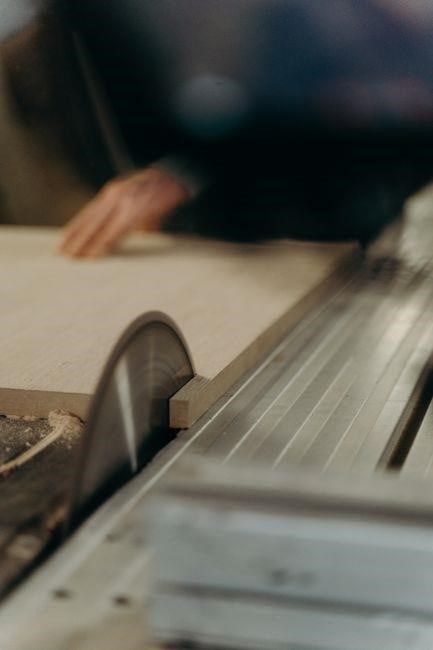
Fast, 90 kg clamps let you secure guides in seconds. The F‑type track clamp features protective tips, a smooth cam, and a quick‑release lever. Ideal for circular saws, routers, and jigsaws, it delivers reliable, repeatable cuts. Quick‑release lever saves time and force

4.1 F Type Track Saw Clamp with 90 kg Clamping Force
The F‑Type Track Saw Clamp delivers 90 kg clamping force, securing a guide rail against a workpiece. Its quick‑release lever allows rapid engagement and disengagement, ideal for fast‑paced workshops. Protective tips shield the rail and material from damage, while a cam‑driven mechanism distributes pressure evenly across the contact surface. Compatible with most circular saw tracks, it supports straight cuts on plywood, MDF, and other engineered wood, reducing wobble and improving edge accuracy. The two‑pack set offers flexibility for multiple workstations or swapping between rail sizes. Made from aluminum, the clamp balances strength and light weight for easy handling without sacrificing durability. Overall, the F‑Type Track Saw Clamp combines high clamping force, quick‑release convenience, and protective design for reliable performance. plus!?.
- 90 kg clamping force for secure hold.
- Quick‑release lever for instant setup.
- Protective tips protect rail and material.
- Cam‑driven action distributes pressure evenly.
- Two‑pack set for versatility.
Installation is straightforward: align the clamp over the rail, slide the lever to lock, and adjust the pressure until the rail sits flush against the workpiece. Release the lever to remove the clamp. For best results, use a level to verify the rail’s straightness before cutting.
To maintain optimal performance, inspect the protective tips for wear, clean the cam surface regularly, and replace any worn components. Store the clamp in a dry environment to prevent corrosion.
Compatibility with Power Tools
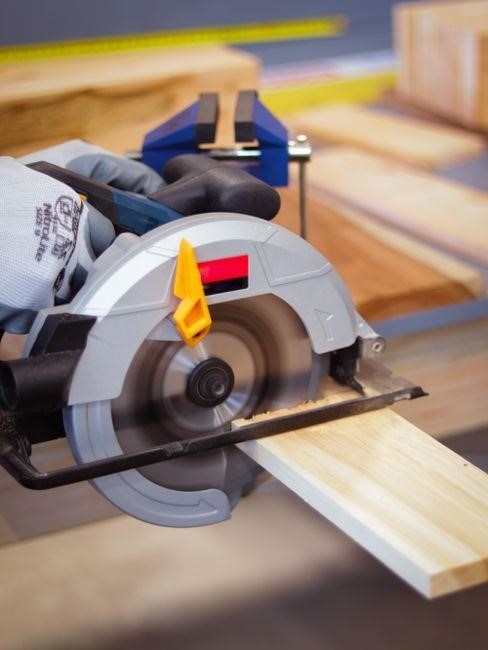
Edge clamp saw guides fit most circular saw tracks and router guides. They clamp onto a workpiece, providing a straight reference for the blade or bit. Quick‑release levers allow rapid setup, while protective tips shield the rail and material during cuts. 2026 Oct!
5.1 Circular Saw Tracks and Router Guide Integration
Edge clamp saw guides are engineered to interface seamlessly with standard circular saw tracks and router guide systems. The clamp’s flat, precision‑machined face mates with the rail’s groove, while the quick‑release lever allows rapid engagement and disengagement without tools. A 90 kg clamping force, as seen in the F‑type track saw clamp, ensures the guide stays firmly in place even on thick plywood or MDF panels. The protective tips at the clamp’s ends shield both the rail and the workpiece from wear, extending the life of the track and maintaining a clean cut edge. For routers, the guide’s straight edge aligns with the router’s throat plate, providing a stable reference that eliminates wobble and improves accuracy. Users can slide the guide along the rail, lock it in position, and then run the router or saw along the edge, achieving repeatable, straight cuts with minimal setup time. The aluminum alloy construction offers lightweight durability, while the 1.5 mm thickness balances strength and flexibility. Compatibility extends to most manufacturers’ tracks, making the clamp a versatile addition to any workshop arsenal. The Powertec 71705 contractor clamp, with its 588‑lb pressure rating, can be paired with the 48‑inch Ironton guide to handle large panels. The combination provides a 49.6‑inch opening, allowing cuts across wide boards. Users report that the clamp’s nylon‑reinforced pads reduce chatter, while the aluminum body resists corrosion. In a typical workflow, the guide is first clamped to the workpiece, the router or saw is set to the desired depth, and the tool is run along the rail. The guide’s straight edge ensures the blade stays on the intended line, reducing material waste. For multi‑pass cuts, the clamp can be repositioned along the same rail, maintaining alignment without re‑measuring. The quick‑release feature is especially useful when switching between a circular saw and a router, saving time and keeping the job organized.
Installation and Setup Guidelines
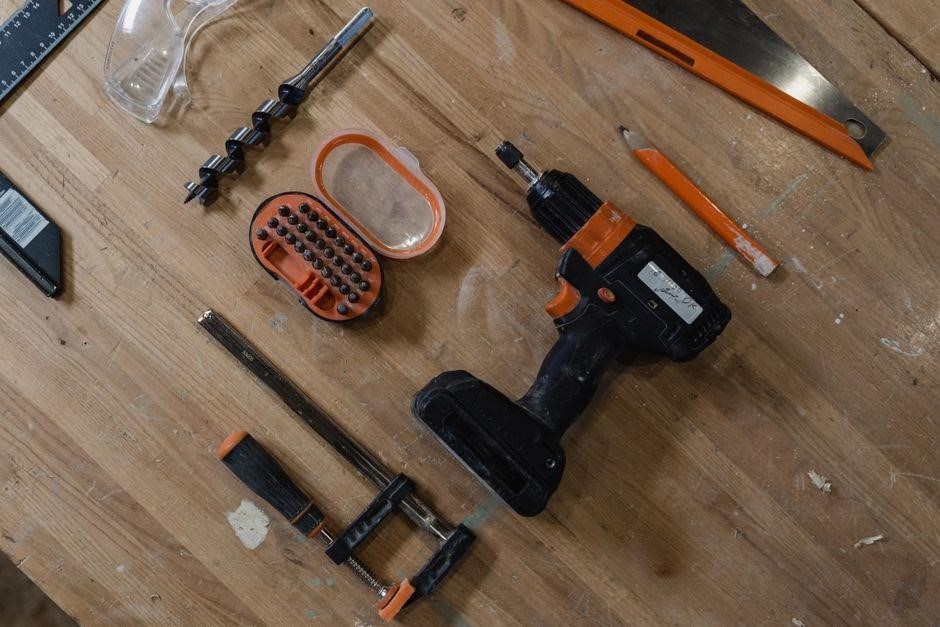
Place the aluminum clamp on the workpiece, align the guide rail, engage the quick‑release lever, and tighten to 90 kg force. Slide the guide along the rail, lock the position, set blade depth, and run the saw or router straight along the edge. Keep clamp level Tight.
6.1 Step‑by‑Step Assembly Instructions

Step 3: Verify the blade or bit depth before cutting. Adjust the saw’s depth gauge so the blade clears the material’s surface. If using a router, set the bit depth accordingly. Once the depth is set, run the tool along the guide rail, keeping the blade centered. If the cut deviates, stop immediately, readjust the clamp, and resume.
Step 1: Prepare the workpiece by cleaning the surface and removing any loose material. Use a ruler or caliper to measure the desired cut length and mark the line with a sharp pencil. Ensure the mark is straight and perpendicular to the edge. A clean, well‑marked line will guide the clamp and the saw blade accurately.
Step 2: Position the clamp on the workpiece. Place the clamp’s jaws on either side of the marked line, ensuring they contact the material firmly. Use the quick‑release lever to lock the clamp in place. Check the alignment by placing a straightedge across the jaws; it should sit flush without gaps. Adjust the clamp until the straightedge is level, then lock the lever again to secure the position.
All steps guarantee a precise, repeatable cut every time.

Advanced Techniques and DIY Projects
Use the clamp guide to create intricate dovetail joints, bevel cuts, or straight edges on large panels. Attach a jigsaw guide to the clamp for curved cuts, or replace with a clamped straight edge for a budget option. Always secure the clamp before cutting. Use a spacer to maintain consistent spacing quickly.
7.1 Using Jigsaw Guides with Clamp Edge Systems and Clamped Straight Edge Substitutes
The Bora Tool WTX clamp edge system is engineered to accept a jigsaw guide that slides along the side groove of the clamp. By attaching the guide to the clamp edge, the jigsaw follows a perfectly straight path, eliminating the need for a separate straight‑edge jig. The guide locks into the groove, providing a rigid reference that keeps the blade aligned even on thick plywood or MDF. For those who prefer a more economical solution, a clamped straight edge can be used as a substitute. Simply clamp a 2‑inch or 3‑inch straight edge to the workpiece and run the jigsaw blade along it. This method works well for light‑to‑medium cuts, but it lacks the rigid support of a dedicated guide and can allow the blade to wander, especially on larger panels. A few manufacturers, such as E Emerson, produce clamping straight edges that fit into the same groove as the WTX system, providing a closer match to the original guide. When using a straight‑edge substitute, it is essential to secure the edge firmly with a quick‑release clamp and to check for any play before starting the cut. For precision projects, the WTX jigsaw guide remains the preferred choice because it locks into the groove and maintains consistent alignment throughout the cut. In contrast, the straight‑edge substitute offers flexibility for quick, one‑off cuts but requires more vigilance from the operator to maintain accuracy. Additionally, the clamp edge system can be paired with a router guide for straight cuts, while the jigsaw guide is ideal for curved or irregular shapes. XXXXXXX