Daily Cleaning Routine
After each brew, remove the coffee basket and rinse it with warm soapy water to eliminate oils․ Wipe the drip tray, air pot, and any dispensers with a damp cloth, then rinse thoroughly․ Dry all components before reassembling to prevent bacterial growth and preserve flavor․ Repeat daily for optimal results․
Daily Cleaning Steps
Begin by turning off and unplugging the machine․ Remove the coffee basket and rinse it under running water, scrubbing gently with a soft brush to dislodge any residual coffee grounds and oils․ While the basket is clean, wipe the inside of the brew chamber with a damp cloth, ensuring no oily residue remains․ Next, detach the water reservoir if possible; rinse it with warm, soapy water, then rinse thoroughly with clean water to remove soap traces․ Return the reservoir and reattach the basket․ Clean the drip tray and any attached dispensers or air pots by soaking them in warm, soapy water for a few minutes, then scrubbing with a non‑abrasive sponge․ Rinse all components with clean water and dry them with a lint‑free towel before reassembly․ Finally, run a short cycle with just water to flush the system, ensuring no cleaning solution or coffee oils remain․ Repeat these steps daily to maintain optimal flavor and hygiene․ To ensure the machine remains free of buildup, store cleaned components in a dry area․ Periodically inspect the reservoir for mineral deposits; if they accumulate, repeat rinsing or use a gentle vinegar solution․ Keep the machine’s exterior surfaces wiped with a damp cloth to prevent dust, ensuring a hygienic environment for every brew․ Additionally, schedule a deep clean every three months, removing all removable parts and soaking them in a mild bleach solution to eliminate stubborn bacteria․ After soaking rinse thoroughly and dry before reassembly․ This routine keeps the Bunn system safe, efficient, and ready for optimal coffee output 🙂 Enjoy daily brew․ 🙂
Weekly Descaling Procedure
Use a descaler or a 1:10 vinegar‑water mix․ Fill the reservoir, run a full cycle, pause midway, then let it sit 30 min․ After soaking, run two clean water cycles to flush residues․ Repeat monthly to prevent scale buildup and preserve flavor․ Keep the machine unplugged; let descaler dissolve fully before rinsing․?!!!
Descaling with Acids or Commercial Descalers
Begin by disconnecting the unit and draining the water reservoir․ Mix a descaling solution by combining 30 ml of citric acid or a commercial descaler (follow the manufacturer’s ratio) with 1 liter of distilled or filtered water․ Pour the mixture into the reservoir and start a full brew cycle․ When the machine pauses at the halfway point, let the acidic solution sit for 20‑30 minutes; this dwell time allows the acid to dissolve limescale and mineral buildup inside the heating element, pump, and internal tubing․ After the dwell period, resume the cycle to finish the brew․ Discard the used solution and rinse the reservoir thoroughly with clean water․ Perform two to three rinse cycles with fresh water to remove any residual acid․ Finally, run a full cycle of plain water to flush the system before returning the machine to service․ Always wear gloves and eye protection when handling strong acids, and keep descalers in a cool, dry place out of reach of children․ If you prefer a natural alternative, a 1:10 vinegar‑to‑water ratio can be used, but it may leave a faint odor that requires additional rinsing․ Descaling every 4‑6 weeks, or more frequently in hard‑water areas, prevents clogs, maintains optimal brew temperature, and preserves the taste of each cup․ After descaling, inspect the heating element for visible residue․ If the machine still tastes metallic, repeat the descaling cycle or extend the dwell time․ Document each event in a maintenance log to track intervals and ensure consistent performance․ Keep a log for reference now!

Monthly Component Cleaning
Remove the coffee basket, filter,and air pot․ Soak them in a 1:10 vinegar solution for 30 min to dissolve oils․ Rinse with hot water, scrub with a soft brush, and dry before reassembly․ Clean the reservoir with a mild detergent, rinse, and wipe the exterior․Use sponge
Removing Coffee Oil Deposits
After each brew, promptly remove the coffee basket and rinse it under running water to eliminate fresh oils․ Use a mild dish soap and a soft brush to scrub the interior surfaces where oils accumulate․ For deeper cleaning, soak the basket, filter, and any detachable air‑pot or dispenser in a 1:10 vinegar‑to‑water solution for 30 minutes, then rinse thoroughly with hot water․ This acid helps dissolve the oily residue that can alter flavor and attract bacteria․ Dry all parts with a clean towel before reassembling․ Repeat this routine monthly to keep the machine’s flavor profile consistent and to extend the lifespan of its components․ Additionally, wipe the exterior of the machine with a damp cloth to remove dust and coffee particles that may settle on the surface․ Inspect the drip tray for any stuck coffee grounds and clean it with warm soapy water․ Finally, run a cycle of clean water through the machine to flush out any remaining residues․ By following these steps, you maintain optimal taste and hygiene․
When cleaning the coffee basket, use a brush to gently so dislodge coffee oils that cling to the mesh․After rinsing, let the basket air‑dry completely before placing it back․ For the filter, soak it in a mixture of equal parts water and white vinegar for 15 minutes, then rinse and dry․ If the filter is disposable, replace it after each month to avoid stale taste․ The air‑pot should be removed, washed with warm soapy water, and rinsed thoroughly․ Dry it with a clean towel and reattach․ Approach ensures that no lingering oils compromise the next brew․Enjoy․

Reservoir and Water Filtration Maintenance
Remove the reservoir, rinse with warm water, and scrub mineral buildup with a soft brush․ Replace the filter cartridge monthly․ Use a 1:10 vinegar solution to dissolve deposits, rinse, dry, and reinstall․ Keep the water line clear to prevent scaling and preserve taste․ Flush the line, rinse, and dry․now
Preventing Mineral Build‑Up
Mineral deposits form when hard water circulates through the heating element and the reservoir․ To keep the system running smoothly, follow these steps daily and weekly:
- Daily rinse: After each brew, remove the reservoir, rinse it with warm tap water, and wipe the interior with a damp cloth․ This removes surface residues before they calcify․
- Weekly vinegar soak: Fill the reservoir with a 1:10 solution of white vinegar to water․ Let it sit for 30 minutes, then run a full cycle with plain water to flush out the acid and loosen mineral crystals․ Repeat every four weeks․
- Filter replacement: Use a certified water‑filter cartridge designed for Bunn machines․ Replace it every 30 days or after 300 cups, whichever comes first, to trap calcium, magnesium, and other ions․
- Use deionized water: When possible, run a cycle with deionized or distilled water to reduce mineral load․ This is especially useful before long storage periods․
- Inspect the heating element: Look for visible scale buildup․ If the element appears cloudy, run a descaling cycle with a commercial descaler or a diluted acid solution, following the manufacturer’s safety guidelines․
- Dry thoroughly: After rinsing, dry the reservoir with a lint‑free towel or let it air dry upside down․ Moisture left inside encourages bacterial growth and accelerates mineral deposition․
In regions with very hard water (hardness > 200 ppm), consider installing a whole‑house water softener or adding a small inline filter to the inlet line․ This pre‑treatment reduces the load on the machine’s internal components, allowing the vinegar soak to be less frequent—perhaps every six weeks instead of monthly․ Regular monitoring of the water hardness using a simple test kit can help you adjust the schedule accordingly․
Mineral buildup can clog plumbing, reduce flow, and raise energy use․ Simple maintenance protects performance and coffee quality․
Stay proactive, and your Bunn will keep delivering fresh, flavorful coffee for years․
Brew Basket and Filter Cleaning
Remove the basket, rinse with warm soapy water, scrubbing gently to remove coffee oils․ Disassemble the filter, soak in vinegar, rinse, dry, and re‑install before use․ Use a soft brush to clean the mesh, and inspect for cracks before reassembly․ Keep components dry!!!
Rinsing and Sanitizing the Brew Basket
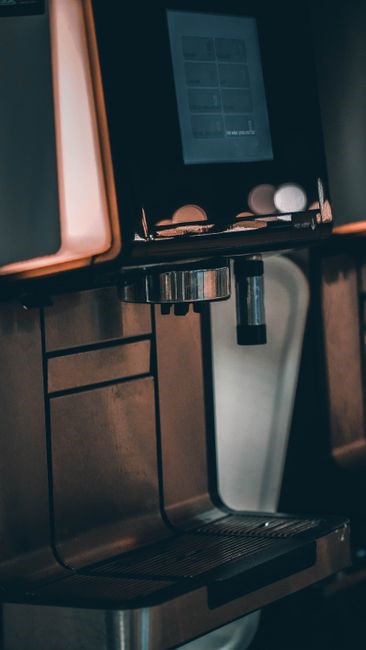
After each use, remove the brew basket from the Bunn coffee maker and rinse it under running water to dislodge coffee grounds․ Use a mild dish soap and a soft brush to scrub the basket’s interior and exterior surfaces, paying special attention to the mesh screen where oils accumulate․ Rinse thoroughly to remove all soap residue․
To sanitize, prepare a solution of one part white vinegar to three parts water․ Submerge the basket in this solution for 10–15 minutes, allowing the acetic acid to break down mineral deposits and kill bacteria․ Repeating this routine daily helps maintain optimal flavor and prevents the growth of mold or bacterial colonies that could compromise the machine’s performance․
If the basket and its mesh are dishwasher‑safe, place them on the top rack and run a gentle cycle․ Afterward, wipe the mesh with a soft brush to remove any residual oils․ Inspect the basket for cracks or warping; any damaged part should be replaced immediately to avoid contamination or uneven brewing․ Finally, reassemble the basket, ensuring fits, and test machine with brew to confirm no leaks․!
After cleaning, store the basket in a dry, dust‑free area․ Before each brewing session, inspect the mesh for any remaining debris; a clogged screen can alter flavor and pressure․ If you notice a persistent odor or taste, repeat the vinegar soak or consider a commercial descaler․ Maintaining a clean basket ensures consistent extraction and prolongs the life of the Bunn system․ Replace for quality!!!!

Air Pot and Dispenser Sanitization
Wipe the air pot and dispensers with warm, soapy water after each use․ Rinse thoroughly, then soak in a vinegar‑water mix (1:3) for 10 minutes to remove mineral buildup․ Dry completely before reassembly to prevent bacterial growth and preserve taste․Clean!Now
Cleaning the Air Pot and Dispensers
After each brewing cycle, remove the air pot and any attached dispensers․ Gently rinse them with warm, soapy water, ensuring all coffee oils and residue are washed away․ For deeper sanitation, soak the components in a solution of one part white vinegar to three parts water for ten minutes; this neutralizes mineral deposits and eliminates bacteria․ Rinse thoroughly with clean water, then dry with a lint‑free cloth or allow to air dry completely before reassembling․ Repeat this routine daily to maintain optimal flavor and hygiene․ If the machine is not used daily, perform a weekly deep clean using a commercial descaler or a stronger vinegar solution (one part vinegar to one part water) to prevent scale buildup․ Always check the manufacturer’s guidelines for any specific materials that may be damaged by vinegar or harsh cleaners․ After drying, reattach the air pot and dispensers securely, ensuring no leaks․ This simple, consistent maintenance keeps the Bunn coffee maker’s air flow clear and the beverage taste fresh․ Use a soft‑bristle brush to reach the underside of the air pot, where coffee oils can accumulate․ If mineral deposits are stubborn, apply a paste of baking soda and water, let sit for 15 minutes, then scrub gently․ After rinsing, wipe the dispensing spouts with a clean, damp cloth to remove any lingering residue․ Finally, reattach all parts, ensuring the seals are intact to prevent leaks during operation․ If any part feels loose, tighten the screws gently; over‑tightening can damage the plastic housing!!
Safety and Troubleshooting Guidelines
Check for leaks, ensure power is off before cleaning․ If the machine won’t start, inspect the water reservoir for blockages․ Clean the internal filter regularly; a clogged filter can cause overheating․ If overheating occurs, unplug immediately and let it cool․
Identifying and Fixing Common Issues
Common problems in Bunn coffee makers often stem from neglected maintenance․ A frequent complaint is a weak or inconsistent brew, usually caused by a clogged brew basket or a partially closed water inlet․ Inspect the basket for coffee grounds and rinse it thoroughly․ If the water inlet feels blocked, gently flush it with a small amount of warm water․ Another issue is a lingering metallic taste, which typically indicates mineral deposits in the water reservoir or heating element․ Remove the reservoir, soak it in a 1:1 vinegar‑water solution for 30 minutes, then rinse with clean water and dry before re‑installing․ Leaking or dripping from the machine can be traced to a cracked or misaligned drip tray; replace the tray if it shows cracks or warped edges․ A common cause of the machine stopping mid‑brew is a faulty thermostat․ If the thermostat is not functioning, the heating element will not activate, leading to a sudden halt․ To test, use a multimeter to check continuity; if absent, replace the thermostat․ Finally, if the machine displays a “maintenance required” light, it signals that the internal filter needs cleaning or replacement․ Follow the manufacturer’s instructions to remove the filter, rinse it with warm soapy water, and reinstall it․ By addressing these issues promptly, you can extend the life of your Bunn coffee maker and ensure a consistently fresh cup․ Regularly inspect the heating element for scale buildup; a clean element ensures energy use and brew flavor․ Keep the machine in a dust‑free area to prolong its lifespan and daily!!