Stealth cameras offer a discreet surveillance solution, blending seamlessly into environments for security or monitoring purposes. These devices, like the Huatsing Hidden Camera, are increasingly popular for home and business protection.
Why utilize a stealth camera? They provide efficient, unobtrusive observation, ideal for safeguarding pets, children, or property, ensuring peace of mind through covert monitoring capabilities.

What are Stealth Cameras?
Stealth cameras are specifically designed surveillance devices engineered for discreet observation, often disguised as everyday objects like smoke detectors or USB chargers. These cameras prioritize concealment, allowing for covert monitoring without drawing attention. A prime example is the 2K WiFi spy camera, frequently referred to as a nanny cam, such as the Huatsing Hidden Camera, which integrates advanced features like night vision and motion detection into a remarkably small form factor.
Their primary function is to capture video and sometimes audio, transmitting it wirelessly or storing it locally on a recording device. They differ from traditional security cameras by emphasizing inconspicuousness, making them suitable for situations where overt surveillance is undesirable or impractical. These cameras are utilized for various purposes, ranging from home security to monitoring caregivers.
Why Use a Stealth Camera?
Stealth cameras offer a unique advantage: discreet monitoring without alerting individuals to being observed. This is crucial for obtaining genuine, uninfluenced footage, whether safeguarding property, monitoring childcare (nanny cams), or ensuring pet well-being. The Huatsing Hidden Camera exemplifies this, providing a wireless indoor security solution for peace of mind.
They are invaluable when suspicion arises – investigating potential theft, verifying employee behavior, or simply ensuring the safety of loved ones. Unlike visible cameras, stealth cameras minimize the chance of tampering or altered behavior. Their efficiency lies in their ability to capture events as they naturally unfold, offering reliable evidence when needed. Ultimately, they empower users to proactively address security concerns and maintain control over their environments.

Types of Stealth Cameras Available Today
Diverse options exist, from hidden cameras disguised as everyday objects—like smoke detectors or USB chargers—to advanced WiFi spy cameras, such as the Huatsing model.
Hidden Cameras Disguised as Everyday Objects
Cleverly concealed, these cameras blend into common surroundings, offering exceptional discretion. They mimic functional items like clocks, smoke detectors, power banks, or even USB chargers, making detection incredibly difficult. This camouflage allows for unobtrusive surveillance in homes, offices, or other sensitive areas.
The advantage lies in their ability to remain unnoticed, capturing footage without raising suspicion. However, careful consideration must be given to placement; the object must logically fit the environment to avoid drawing attention. These disguised cameras often feature wide-angle lenses and recording capabilities, providing comprehensive coverage. Remember, while effective, their reliance on blending in means they may require periodic repositioning to maintain optimal viewing angles and battery life.
WiFi Spy Cameras (Like Huatsing Hidden Camera)
WiFi spy cameras, such as the Huatsing Hidden Camera, offer remote access and control via a smartphone or computer. These 2K devices connect to your existing wireless network, enabling live streaming and recorded footage viewing from anywhere with an internet connection. Motion detection features trigger alerts, notifying you of activity, while night vision ensures visibility in low-light conditions.
Setup typically involves downloading a dedicated app, connecting the camera to your WiFi, and configuring recording preferences. Wireless connectivity eliminates the need for cumbersome cables, simplifying installation. However, a stable WiFi signal is crucial for reliable performance. Consider network security to prevent unauthorized access to the camera’s feed and ensure data privacy.
Nanny Cams & Their Applications
Nanny cams, often disguised as everyday objects, are specifically designed for monitoring childcare providers and ensuring the safety of children. These discreet cameras offer peace of mind to parents, allowing them to observe interactions and address any concerns. Beyond childcare, applications extend to elder care, providing a way to check on the well-being of aging relatives.
Effective placement is key; consider areas where interactions commonly occur, such as playrooms or living rooms. Features like two-way audio allow for remote communication, while motion detection alerts you to unusual activity. Remember to adhere to legal regulations regarding surveillance, ensuring privacy rights are respected. A Huatsing Hidden Camera can serve as an effective nanny cam solution.
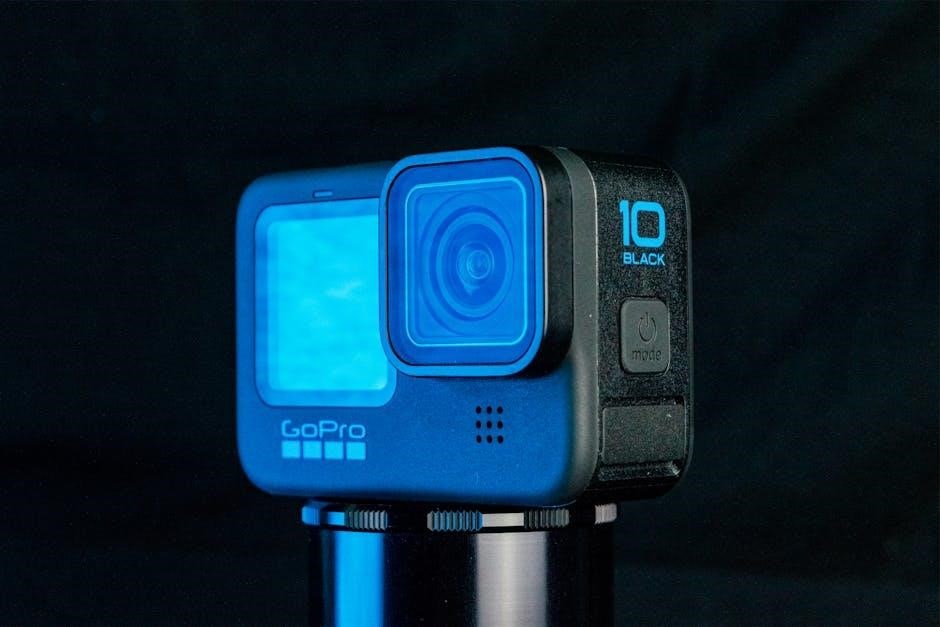
Installing a Stealth Camera: A Step-by-Step Guide
Successful installation involves choosing the right location, selecting an ideal spy camera, and carefully completing the physical setup for optimal, discreet surveillance coverage.
Choosing the Right Location
Strategic placement is paramount for effective stealth camera operation. Consider areas of interest – entry points, living rooms, or spaces where monitoring is crucial. Prioritize locations offering a clear, unobstructed view of the intended area, avoiding obstructions like furniture or curtains.
Power access is vital; ensure a nearby outlet or consider battery-powered options for wireless flexibility. Height matters – a higher vantage point often provides a broader perspective, but avoid overly conspicuous placements. Blend the camera into the surroundings; disguised cameras excel when appearing as everyday objects.
Lighting conditions also influence camera performance. Avoid direct sunlight or strong backlighting, which can distort images. Test the camera’s view before permanent installation, ensuring optimal visibility and coverage. Remember, discretion is key – the goal is covert surveillance, not obvious detection.
Selecting the Ideal Spy Camera
Consider your needs when choosing a spy camera. A 2K WiFi spy camera, like the Huatsing Hidden Camera, offers high resolution and wireless connectivity – ideal for remote viewing. Nanny cams are specifically designed for childcare monitoring, often featuring two-way audio.

Features are crucial: prioritize night vision for low-light conditions and motion detection to conserve storage and focus on relevant events. Evaluate recording options – continuous recording or motion-activated. Hidden cameras disguised as everyday objects (smoke detectors, USB chargers) offer superior concealment.
Wireless vs. wired depends on your setup. Wireless cameras offer flexibility, while wired cameras provide a more secure connection. Check storage capacity and compatibility with your devices. Ultimately, the ideal camera balances features, concealment, and your specific monitoring requirements.
Physical Installation of the Hidden Camera
Assembly and placement are key to successful covert surveillance. After selecting your ideal spy camera, carefully position it in your chosen location, ensuring a clear field of view. Consider the camera’s power source – is it battery-operated or requires a wired connection?
Discreet mounting is essential; If using a disguised object, ensure it blends seamlessly with its surroundings. Avoid obvious placements that might attract attention. Test the camera’s view and adjust as needed before permanently securing it.
Connectivity verification is crucial. Confirm the WiFi connection (if applicable) and test the recording functionality. Regularly check the camera’s operation to ensure continuous monitoring. Remember, you don’t need to be a tech expert to install a hidden camera effectively.

Detecting Hidden Cameras: Methods & Tools
Hidden cameras can be found disguised as everyday objects; utilize smartphones, flashlights, or specialized equipment to uncover them, protecting your privacy effectively.
Using Your Smartphone Camera for Detection
Modern smartphones are surprisingly effective tools for detecting hidden cameras, offering a convenient and readily available method for privacy checks. The core principle relies on identifying the infrared (IR) light emitted by many hidden cameras, particularly those with night vision capabilities. To utilize this method, simply turn off the lights in the room you wish to scan.
Next, open your smartphone’s camera application and slowly pan the room, carefully observing the screen. Hidden camera lenses, when illuminated by the phone’s flash (or even in complete darkness if emitting IR), will often appear as bright, glowing dots – typically red or purple in color. These dots represent the IR LEDs used for low-light recording. This technique provides a quick and easy initial assessment, helping to pinpoint potential surveillance devices within a space.

Detecting IR LEDs with a Phone Camera
Identifying infrared (IR) LEDs is a crucial step in uncovering hidden cameras, and your smartphone can be a surprisingly effective tool. Most smartphone cameras can ‘see’ IR light, though it’s invisible to the naked eye. To test, point a TV remote at your phone’s camera and press a button; you should see a flashing light on the screen, even though it’s not visible directly.
Once confirmed, darken the room and use your phone’s camera to slowly scan the area. Look for small, bright white or purple dots – these are likely IR LEDs from a hidden camera’s night vision feature. Slowly panning the room allows for a thorough search. Remember that some cameras may have very small or dim LEDs, requiring careful observation. This method is a quick and non-invasive way to check for potential surveillance.
Utilizing Flashlights to Find Hidden Cameras
Employing a flashlight is a simple yet effective technique for detecting hidden cameras, leveraging the reflective nature of camera lenses. Turn off the lights in the room and use your flashlight to systematically scan surfaces. Pay close attention to objects that seem out of place or have small holes, like smoke detectors, clocks, or USB chargers – common disguises for hidden cameras.
Slowly sweep the flashlight beam across the room, observing for any glints or reflections emanating from a lens. Camera lenses, even tiny ones, will reflect light. Vary the angle of the flashlight to maximize your chances of spotting a reflection. This method works best in a completely dark room, minimizing ambient light interference. Remember to check both obvious and less-obvious locations.

Legal Considerations Regarding Stealth Cameras
Privacy laws govern surveillance, demanding ethical use of hidden cameras; understanding these regulations is crucial to avoid legal repercussions and respect individual rights.
Privacy Laws and Surveillance
Navigating the legal landscape surrounding stealth cameras requires careful consideration of privacy laws, which vary significantly by location. Generally, recording audio without consent is often illegal, while video surveillance is permissible in public spaces or with clear notification.
Secretly recording individuals in areas where they have a reasonable expectation of privacy – like bathrooms or bedrooms – is almost universally prohibited and can lead to severe penalties. Before installing any hidden camera, research your local and state laws regarding surveillance, ensuring compliance to avoid legal issues.
Transparency is key; posting visible notices informing individuals they are under surveillance can mitigate legal risks. Understanding these regulations is paramount for ethical and lawful operation of stealth cameras.
Ethical Use of Hidden Cameras
Employing stealth cameras demands a strong ethical compass, prioritizing respect for individual privacy. While useful for security, their covert nature raises concerns about potential misuse. Justification for deployment should center on legitimate safety or security needs – protecting property, ensuring childcare, or investigating suspected wrongdoing.
Avoid using hidden cameras for voyeuristic purposes or to gather information without a valid reason. Transparency, where legally permissible, fosters trust and minimizes ethical dilemmas. Consider the impact on relationships and the potential for emotional distress if discovered.
Responsible use involves limiting recording to necessary areas and durations, and securely storing collected data. Prioritize ethical considerations alongside legal compliance when utilizing these powerful surveillance tools.

Data Storage and Connectivity
Stealth cameras connect via wired or wireless methods, storing data on devices like memory cards, network recorders, or computers, ensuring secure footage retention.
Wired vs. Wireless Connections
Wired connections offer a stable, secure link for stealth cameras, minimizing interference and ensuring continuous recording directly to a designated storage device. This method is ideal for critical surveillance where reliability is paramount, though installation can be more complex due to cabling requirements.
Wireless connections, like those utilized by WiFi spy cameras (such as the Huatsing Hidden Camera), provide flexibility and ease of setup. Data transmits over your existing network, allowing remote viewing and access. However, wireless signals are susceptible to interference and potential security vulnerabilities, necessitating strong password protection and encryption.
Choosing between wired and wireless depends on your specific needs; consider the balance between security, convenience, and the complexity of installation when making your decision.
Recording Devices & Data Storage Mediums
Stealth cameras utilize diverse recording devices and storage mediums to capture and retain surveillance footage. Options range from direct connection to a television, computer, or dedicated network/digital video recorder (NVR/DVR) for real-time viewing and archiving.
Memory cards (SD cards) offer a portable and cost-effective solution for storing recordings, particularly in standalone cameras. However, capacity is limited, requiring frequent data transfer or replacement. Alternatively, some cameras connect to cloud storage, providing offsite backup and remote access.
Selecting the appropriate storage medium depends on recording duration, desired accessibility, and security considerations. Ensure sufficient capacity and reliable data protection for continuous surveillance.