Tempus Fugit Grandmother Clock Manual: A Comprehensive Guide
This manual provides a detailed exploration of Tempus Fugit grandfather clocks, originating from Asia, yet utilizing familiar mechanisms like pendulums and chimes. It guides owners through repair, cleaning, and maintenance.
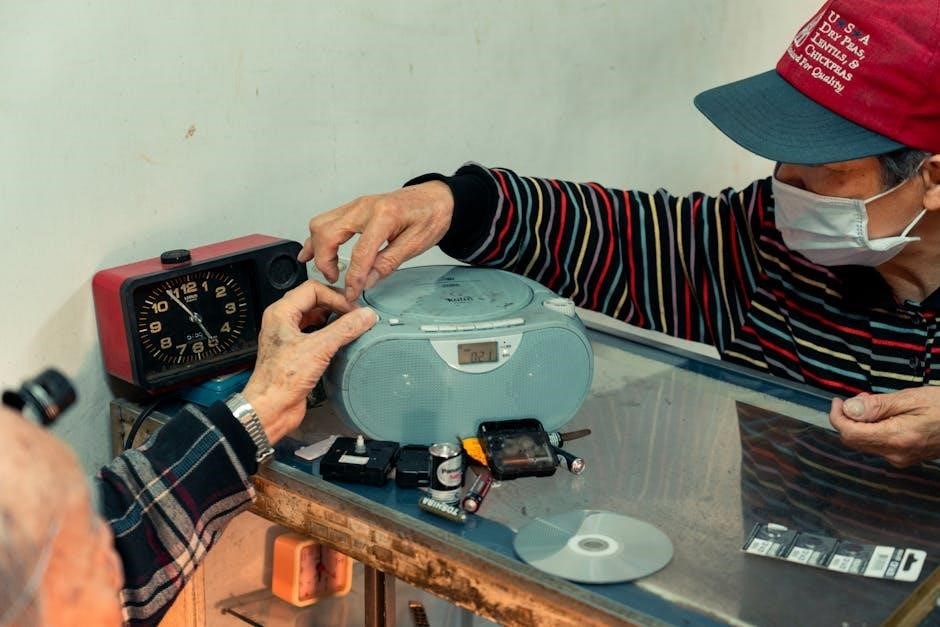
Discover how to troubleshoot common issues, adjust the pendulum, and even attempt minor repairs yourself, alongside resources for finding manuals and parts.
Understanding Tempus Fugit Clocks
Tempus Fugit grandfather clocks, while often aesthetically similar to those crafted in America or Germany, distinguish themselves through their manufacturing origin – primarily in Asia. However, this doesn’t imply a compromise in functionality. These clocks operate on the same fundamental principles as their counterparts, relying on a meticulously synchronized interplay of components.
At the heart of each Tempus Fugit clock lies a pendulum, governing the precise regulation of time. Complementing this is a chime mechanism, adding a melodic dimension to the timekeeping process. The clock face, hands, and intricate inner workings all collaborate to ensure accurate and reliable performance.
Despite their Asian production, understanding the mechanics is key to maintenance. Many owners find themselves capable of addressing common issues independently, thanks to readily available guides and resources. However, recognizing the limits of DIY repair is crucial; complex problems often necessitate the expertise of a professional clock repair service. The availability of original manuals, and enhanced versions, further empowers owners to comprehend and care for their Tempus Fugit timepieces.
Ultimately, a Tempus Fugit clock represents a blend of traditional clockmaking principles and modern manufacturing techniques, offering both beauty and functionality.
Origin and Manufacturing
Tempus Fugit grandfather clocks represent a shift in the traditional landscape of clock manufacturing. Unlike the historically renowned clockmakers of America and Germany, Tempus Fugit clocks are primarily produced in Asia. This geographical distinction is a defining characteristic of the brand, influencing both production costs and market positioning.
However, it’s crucial to understand that the origin of manufacture doesn’t necessarily reflect a difference in the underlying clock mechanisms. Tempus Fugit clocks utilize the same core components – pendulums, chime systems, clock faces, hands, and intricate internal movements – found in clocks from more established manufacturing regions.
The manufacturing process involves assembling these components with a focus on affordability, making Tempus Fugit clocks accessible to a wider consumer base. While the specific details of the Asian manufacturing facilities remain largely undisclosed, the emphasis is on replicating the functionality and aesthetic appeal of traditional grandfather clocks. This approach allows the brand to offer a visually similar product at a competitive price point.

Understanding this origin is vital for sourcing parts and understanding potential repair nuances, as component availability may differ from clocks made in Germany or the US.
Common Mechanical Issues
Many issues plague Tempus Fugit grandfather clocks, often surprisingly simple for owners to address. A frequently encountered problem is a clock ceasing to run, often due to pendulum friction or insufficient winding. Pendulum suspension springs can weaken, causing erratic timekeeping or complete stoppage.
Chime malfunctions are also common. These can range from a complete silence to an incorrect chime sequence. Often, this stems from a disengaged chime hammer or a problem within the chime train – the series of gears controlling the chime mechanism. Another frequent issue involves the winding mechanism itself; keys can become bent or gears can become stiff, hindering proper winding.
Furthermore, dirt and dust accumulation within the clock’s movement can significantly impede its function. This buildup increases friction, slowing or stopping the gears. Older clocks may exhibit wear in the pivot holes of the gears, leading to inaccuracies. Finally, issues with the cable and weight system, responsible for powering the clock, can also cause operational problems.
Addressing these issues promptly can prevent further damage and restore your clock to its former glory. Remember, some repairs are best left to professionals.
Pendulum Adjustment and Regulation

Precise pendulum adjustment is crucial for accurate timekeeping in your Tempus Fugit grandfather clock. The pendulum’s length directly influences the clock’s speed; a longer pendulum slows the clock, while a shorter one speeds it up. Regulation is typically achieved using a rating nut located at the bottom of the pendulum.

Turning the rating nut clockwise raises the pendulum bob, slowing the clock. Conversely, turning it counterclockwise lowers the bob, accelerating the time. Small adjustments are key – even a quarter turn can significantly impact accuracy. Observe the clock’s performance over several days after each adjustment.

Ensure the clock is level; an uneven surface will affect the pendulum’s swing and accuracy. Check for any obstructions hindering the pendulum’s free movement. A consistent, even swing is essential. If the clock consistently gains or loses time despite adjustments, the pendulum suspension spring may be worn and require professional attention.
Remember to make only one adjustment at a time and record your changes. Patience is vital; achieving perfect accuracy may require several iterations of adjustment and observation.
Winding Mechanisms Explained
Tempus Fugit grandfather clocks typically employ weight-driven winding mechanisms, commonly 8-day or 30-hour systems. These mechanisms store energy by lifting weights, which slowly descend, powering the clock’s movement. Understanding this system is vital for proper maintenance.
The winding key engages with the winding drum, raising the weights. Always wind the clock fully, but avoid over-winding, which could damage the mechanism. Typically, three weights are present: one for time, one for the chime, and one for the strike. Ensure you wind each weight individually.
Observe the weight cables; they should move smoothly within their grooves. Avoid letting the weights fully descend to the bottom, as this can strain the cables. Regular winding prevents unnecessary stress on the clock’s components. If a weight feels unusually heavy or encounters resistance, do not force it; consult a professional.
Proper winding ensures consistent operation and prolongs the clock’s lifespan. Familiarize yourself with the winding routine to maintain your Tempus Fugit clock’s functionality.
Chime Functionality and Repair
Tempus Fugit grandfather clocks are known for their melodic chimes, often Westminster or other traditional sequences. The chime mechanism is intricate, involving a series of hammers, levers, and a chime train powered by a dedicated weight. Understanding its operation is key to addressing issues.
If the chime is silent, first ensure the chime weight is fully wound. Next, check for obstructions preventing hammer movement. Carefully inspect the chime rods for damage or misalignment. A common issue is a stuck lever, often caused by dust or debris.

Minor adjustments can sometimes restore chime functionality. However, avoid forceful manipulation of the mechanism. If the chime sounds incorrect or incomplete, the chime train may require professional regulation. Attempting complex repairs without expertise can cause further damage.
Regular cleaning and lubrication can prevent chime malfunctions. Remember, the chime mechanism is delicate; professional servicing is recommended for significant repairs. Maintaining the chime ensures the full enjoyment of your Tempus Fugit clock.
Identifying Clock Components
A Tempus Fugit grandfather clock, while manufactured in Asia, shares core components with clocks from traditional clockmaking regions. Key elements include the clock face, hands, pendulum, weights, and the intricate internal movement. Understanding these parts is crucial for maintenance and repair.
The movement, often brass, houses the escapement, gears, and winding mechanisms. Weights, typically three, power the time, chime, and strike functions. The pendulum regulates timekeeping, while the face displays the time with hour and minute hands. Chime rods or gongs produce the melodic sounds.
Identifying each component allows for targeted troubleshooting. For example, a stopped clock might indicate a problem with the pendulum or weight suspension. A malfunctioning chime points to issues within the chime train. Familiarize yourself with diagrams and parts lists, often found in original manuals or online resources.
Knowing the function of each part empowers owners to perform basic maintenance and communicate effectively with clock repair professionals. Proper identification is the first step towards preserving the longevity and accuracy of your Tempus Fugit clock.
Cleaning and Maintenance Procedures
Regular cleaning is vital for preserving the beauty and functionality of your Tempus Fugit grandfather clock. Dust accumulation can impede movement and affect accuracy. Use a soft, dry cloth to gently wipe down the case, avoiding abrasive cleaners or polishes.
For the clock face, use a slightly dampened cloth, being careful not to get moisture near the movement. The pendulum and weights should be cleaned periodically with a soft cloth. Avoid touching the delicate surfaces of the movement with bare hands.
Annual maintenance includes a careful inspection of the movement for dust and debris. A soft brush can be used to remove loose particles. Do not attempt to disassemble the movement unless you are a qualified clock repair professional. Lubrication should only be performed by an expert.
Proper care extends the life of your clock and ensures accurate timekeeping. Consistent cleaning and preventative maintenance are far more cost-effective than extensive repairs. Remember, a well-maintained clock is a cherished heirloom.
Troubleshooting Common Problems
Many stopped Tempus Fugit clocks can be revived with simple troubleshooting. A common issue is ensuring the clock is level; an uneven surface disrupts pendulum swing. Check that the pendulum is hanging freely and isn’t obstructed. Verify the weights are correctly positioned and haven’t run to the bottom.

If the clock doesn’t chime, inspect the chime rods for obstructions. Ensure the chime mechanism is engaged – some clocks have a manual chime on/off switch. For clocks that run for a period then stop, the movement may need cleaning or lubrication.
Difficulty winding can indicate a problem with the winding squares or the mainspring. Avoid forcing the winding key. If the clock runs too fast or slow, pendulum adjustment is required (see Pendulum Adjustment section). Remember, some repairs are best left to professionals.
Before seeking professional help, document the problem and any steps you’ve taken. This information will assist the repair technician in diagnosing the issue efficiently.
Repairing Minor Issues Yourself
Many Tempus Fugit clock owners enjoy tackling simple repairs. Before starting, ensure you have a clean, well-lit workspace and basic tools. A common DIY fix involves gently cleaning the pendulum bob and rod with a soft cloth to remove dust and grime, ensuring free swing.
If weights become detached, carefully re-attach them to their cables, ensuring proper alignment. Avoid forcing anything. Minor adjustments to the pendulum’s position can regulate speed – lowering it speeds up the clock, raising it slows it down.
Loose hands can sometimes be carefully re-seated on their arbors, but proceed with caution. Always take photos before disassembly for reference. Remember, attempting complex repairs without experience can cause further damage.
Online resources and manuals (see Finding Original Manuals section) can provide step-by-step guidance for specific issues. If unsure, consult a professional clock repair service. Prioritize safety and avoid disassembling the entire movement.
Finding Original Manuals and Documentation
Locating original manuals for Tempus Fugit grandfather clocks can be challenging, as they weren’t widely distributed like those from established American or German brands. However, several avenues exist for resourceful owners. Online clock forums and communities (see Resources section) are excellent starting points, as members often share scanned manuals or offer advice.
Websites specializing in clock documentation are beginning to compile a collection of manuals, including enhanced versions designed for clarity. Searching using the clock’s model number (if available) or key features can yield results. Auction sites like eBay occasionally list original manuals for sale;
Consider contacting clock repair services; they may have access to a library of documentation. If a direct match isn’t found, manuals for similar grandfather clocks with comparable movements can provide valuable insights. Remember to carefully review any downloaded manual for accuracy and completeness.
Enhanced manuals often include diagrams and simplified instructions, making repairs more accessible. Preserving any found documentation digitally is recommended for future reference.
Locating Replacement Parts
Finding replacement parts for Tempus Fugit grandfather clocks requires a strategic approach, given their Asian manufacturing origin. Unlike clocks from well-established brands, dedicated Tempus Fugit parts suppliers are rare. However, many internal mechanisms are standardized, allowing for compatibility with parts from other manufacturers.
Online clock parts retailers are a primary resource, offering a wide selection of gears, pendulums, weights, and chime components. Accurate measurements and detailed descriptions are crucial when ordering. Specialty clock repair shops often stock a variety of parts or can source them through their networks.
Auction sites like eBay can be a source for used or salvaged parts, but condition should be carefully assessed. Consider joining online clock communities; members may have spare parts available or offer guidance on sourcing specific components. When replacing parts, prioritize quality to ensure longevity and proper function.
Documenting the original part number (if available) simplifies the search process. Don’t hesitate to consult with a professional clock repair service for assistance with identifying and obtaining the correct parts.
Professional Clock Repair Services
When DIY repairs prove challenging, or the issue exceeds your skillset, seeking professional clock repair services is advisable. Tempus Fugit clocks, while often repairable by owners for simple issues, can benefit from expert attention, especially concerning intricate mechanisms or chime functionality.
Locate a qualified clock repair technician with experience in grandfather clocks. Check for certifications from organizations like the National Association of Watch and Clock Collectors (NAWCC), indicating a commitment to professional standards. Request quotes from multiple technicians, detailing the scope of work and estimated costs.

A reputable repair service will provide a thorough assessment of the clock’s condition, identifying all necessary repairs. Discuss the repair process, including timelines and potential challenges. Ensure the technician uses appropriate parts and techniques to preserve the clock’s value and authenticity.
Consider the technician’s warranty policy, offering protection against future issues related to the repair. Professional services can restore your Tempus Fugit clock to optimal working order, ensuring years of reliable timekeeping and enjoyment.

Safety Precautions for Clock Repair
Prioritizing safety is paramount when undertaking any clock repair, even seemingly minor adjustments. Grandfather clocks, including Tempus Fugit models, contain heavy components and intricate mechanisms that pose potential hazards if mishandled. Always disconnect the pendulum and weights before commencing any work to prevent accidental movement and potential injury.
Exercise caution when handling tools, ensuring they are in good working order and used correctly. Wear safety glasses to protect your eyes from flying debris, and gloves to prevent cuts or abrasions. Avoid applying excessive force when disassembling or reassembling parts, as this can cause damage or breakage.
Be mindful of electrical components, if present, and disconnect the clock from the power source before working on them. Never attempt repairs you are uncomfortable with; seeking professional assistance is always the safer option. Keep small parts out of reach of children and pets to prevent choking hazards.
Remember to work in a well-lit and ventilated area, and take breaks to avoid fatigue. Following these safety precautions will help ensure a successful and injury-free clock repair experience.
Resources and Online Communities for Help
Navigating Tempus Fugit grandfather clock repair can be significantly aided by leveraging available resources and online communities. Numerous online forums, such as the r/clocks subreddit, offer a platform for sharing knowledge, seeking advice, and troubleshooting issues with fellow clock enthusiasts. These communities often contain valuable insights specific to Tempus Fugit models.
Websites dedicated to clock repair, like those offering clock owners manuals (updated as recently as 2022), provide downloadable documentation and step-by-step guides. FPT Learn offers practical guides covering dismantling, cleaning, adjusting, and repairing 8-day clocks, applicable to many grandfather clock mechanisms.
Additionally, searching online marketplaces can help locate original manuals or enhanced versions for easier understanding. When facing complex repairs, consider consulting professional clock repair services for expert assistance. Remember to utilize these resources responsibly and always prioritize safety when attempting self-repair;
Connecting with experienced clock repairers online can provide invaluable support and guidance throughout your restoration journey, ensuring your Tempus Fugit clock continues to chime for years to come.