The debate surrounding car accident rates linked to transmission type—manual versus automatic—is complex. UK data lacks a direct correlation‚ while a 2008 Japanese study suggests higher accident rates for automatics.
Overview of the Debate
The central question revolves around whether drivers of manual transmission vehicles are inherently safer than those using automatics‚ or vice versa. Initial perceptions often suggest manual transmissions demand greater driver engagement‚ potentially reducing accidents. However‚ this isn’t universally supported by data; the UK currently lacks studies directly linking transmission type to accident likelihood. Conversely‚ a 2008 Japanese investigation indicated automatics experienced nearly double the accident rate‚ excluding head-on collisions and fatal crashes. This disparity fuels ongoing discussion‚ highlighting the need for comprehensive analysis.
Historical Context of Transmission Types
Historically‚ manual transmissions were the standard‚ requiring significant driver skill and involvement. Automatic transmissions emerged to simplify driving‚ initially marketed for convenience. As automatics gained prevalence‚ concerns arose regarding potential decreases in driver attentiveness and control; Early data was limited‚ and the debate lacked robust statistical backing. The shift in driver training‚ with more first-year drivers testing in automatics‚ further complicates comparisons‚ as experience levels differ. Understanding this evolution is crucial when analyzing accident data.

Analyzing Accident Data: A Global Perspective
Global accident data reveals inconsistent findings; the UK shows no correlation‚ while a 2008 Japanese study indicated higher accident rates for automatic vehicles.
UK Accident Data – Lack of Direct Correlation
Surprisingly‚ current research in the United Kingdom does not establish a definitive link between vehicle transmission type – whether manual or automatic – and the probability of being involved in a car accident. Despite common perceptions among drivers‚ no specific study has yet pinpointed transmission as a significant contributing factor to accident occurrence within the UK. This absence of correlation presents a unique contrast to findings observed in other regions‚ notably Japan‚ where studies have suggested a different relationship.
Japanese Study (2008) – Higher Accident Rates for Automatics
A 2008 study conducted in Japan revealed a noteworthy trend: accident rates were almost double for vehicles equipped with automatic transmissions. However‚ this elevated risk did not extend to all accident types. Specifically‚ head-on collisions and fatal crashes exhibited similar rates regardless of transmission type. This suggests that while automatics may be associated with a higher overall accident frequency‚ the severity and nature of those accidents differ‚ presenting a nuanced picture.
Head-on and Fatal Crash Rates – Similarities Between Transmissions
Interestingly‚ despite differing overall accident rates observed in studies like the 2008 Japanese research‚ head-on collisions and fatal crashes demonstrate a striking similarity between manual and automatic transmission vehicles. The incidence of these severe accident types doesn’t significantly vary based on transmission choice‚ indicating that factors beyond driver control—such as road conditions or other driver behavior—play a dominant role in these high-impact events.
Driver Skill and Transmission Type
Manual transmissions demand greater driver engagement‚ potentially enhancing attentiveness‚ while automatics may lead to reduced focus‚ especially for newer drivers learning to operate a vehicle.
The Role of Driver Engagement in Manual Vehicles
Driving a manual transmission vehicle inherently requires a higher level of driver engagement. The constant need to select the appropriate gear demands active participation and focused attention on the driving task. This continuous interaction can foster a stronger connection between the driver and the vehicle‚ potentially leading to quicker reaction times and a greater awareness of surrounding conditions.
Specifically‚ shifting gears often coincides with potentially hazardous maneuvers like acceleration‚ merging‚ or navigating corners‚ forcing the driver to be more present and deliberate in their actions. This heightened awareness could contribute to safer driving habits and a reduced risk of accidents.
Potential for Reduced Attention in Automatic Vehicles
Automatic transmissions‚ while offering convenience‚ may inadvertently contribute to reduced driver attention. The lessened need for constant gear selection can lead to a sense of complacency‚ potentially diminishing the driver’s overall focus on the road. This over-reliance on the vehicle’s automated systems could result in slower reaction times and decreased situational awareness.
Some argue that the reduced mental workload in automatic vehicles allows for distractions‚ increasing the risk of errors and accidents‚ particularly in dynamic driving scenarios requiring immediate responses.
First-Year Driver Trends: Automatic Tests‚ Manual Driving
A notable trend involves first-year drivers often taking their driving tests in automatic vehicles‚ yet subsequently operating manual cars. Data suggests a slight increase in this practice between 1986 and 1988. This transition presents a potential challenge‚ as newly licensed drivers may lack sufficient experience with manual transmission control.
The discrepancy between testing and real-world driving conditions could contribute to increased risk‚ particularly during critical maneuvers requiring clutch and gear coordination.
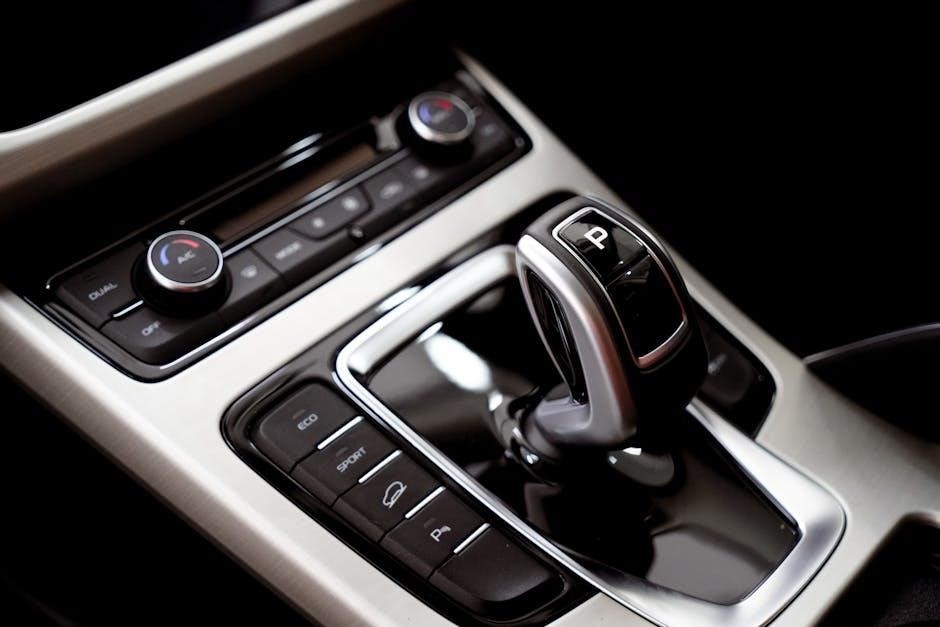
Specific Driving Scenarios & Transmission Impact
Manual transmissions offer greater control during acceleration‚ merging‚ navigating corners‚ and steep hills—situations demanding precise driver input and heightened attention.
Acceleration from Stops – Manual Control Advantage
The act of accelerating from a stop inherently requires driver engagement with a manual transmission‚ demanding precise clutch and throttle control. This focused interaction contrasts with the relative simplicity of automatic acceleration. Consequently‚ drivers may exhibit increased awareness during these critical moments‚ potentially reducing the risk of misjudgment or delayed reaction. The need to actively manage the powertrain fosters a more deliberate and attentive approach‚ especially in potentially hazardous situations like intersections or pedestrian crossings‚ offering a subtle safety advantage.
Merging and Lane Changes – Increased Driver Input with Manuals
Successfully merging or changing lanes demands careful speed assessment and precise timing‚ areas where manual transmissions may offer an edge. The necessity of downshifting or selecting the appropriate gear forces drivers to actively evaluate surrounding traffic and road conditions. This heightened level of driver input‚ compared to the more passive experience of an automatic‚ can translate to quicker‚ more informed decisions. The deliberate act of gear selection promotes a greater sense of control and situational awareness during these maneuvers.
Navigating Sharp Corners and Hills – Manual Transmission Benefits
Sharp corners and steep hills present unique driving challenges requiring precise speed control. Manual transmissions allow drivers to select the optimal gear for engine braking‚ reducing reliance on the brake pedal and maintaining stability. This is particularly crucial on downhill slopes or when approaching a blind corner. The active engagement required by a manual gearbox fosters a more connected driving experience‚ potentially leading to more cautious and controlled maneuvers in these demanding scenarios.
Single-Vehicle Accidents and Transmission Type
Anecdotal evidence suggests a link between automatic vehicles and driver error in single-vehicle accidents‚ though obtaining credible data remains a significant challenge.
Anecdotal Evidence – Automatic Vehicles and Driver Error
Reports indicate a pattern where single-vehicle accidents are frequently attributed to automatic vehicles‚ often stemming from easily avoidable driver errors. These incidents frequently involve “face-palm” moments‚ suggesting a potential correlation between the ease of automatic driving and lapses in driver attention. However‚ it’s crucial to acknowledge that this evidence is largely informal and lacks the rigor of comprehensive statistical analysis. The absence of robust‚ verifiable data hinders drawing definitive conclusions about a causal link between automatic transmissions and increased driver error leading to single-vehicle crashes.
Challenges in Obtaining Credible Data on Single-Vehicle Accidents
Securing reliable data specifically linking transmission type to single-vehicle accidents presents significant hurdles. Existing crash datasets often lack detailed categorization regarding transmission‚ making isolated analysis difficult. Furthermore‚ pinpointing driver error as the sole cause in these incidents is complex‚ as numerous factors contribute. The absence of a dedicated variable for transmission within comprehensive crash data complicates efforts to establish a clear relationship and necessitates further investigation into data collection methodologies.

The Impact of Automation on Driver Behavior
Automation can lead to over-reliance on systems and reduced situational awareness‚ potentially increasing risk. Drivers may exhibit decreased engagement in automatic vehicles.
Over-Reliance on Automatic Systems
The increasing sophistication of automatic transmissions and driver-assistance features fosters a potential for over-reliance. Drivers might become complacent‚ assuming the vehicle will handle situations without requiring full attention. This diminished engagement can lead to slower reaction times when intervention is necessary‚ potentially contributing to accidents. The convenience of automation shouldn’t overshadow the driver’s responsibility to remain vigilant and actively monitor the driving environment. A false sense of security‚ stemming from automated systems‚ could ultimately increase crash risk.
Reduced Situational Awareness in Automatic Vehicles
Automatic transmissions can contribute to reduced situational awareness among drivers. The lessened need for gear selection and clutch control may decrease mental engagement with the driving task. This disengagement can result in drivers being less attentive to surrounding traffic‚ road conditions‚ and potential hazards. Consequently‚ reaction times may be slower‚ and the ability to anticipate and respond to unexpected events could be compromised‚ potentially elevating accident risk. Maintaining focus is crucial.

Transmission Type and Accident Severity
Injury severity and fatal accident rates show no clear link to transmission type; both manual and automatic vehicles exhibit similar outcomes in severe crash scenarios.
Injury Severity – No Clear Link to Transmission Type
Despite investigations into accident data‚ establishing a definitive connection between transmission type (manual or automatic) and the severity of injuries sustained in crashes remains elusive. Available evidence doesn’t support a consistent pattern indicating that one transmission inherently leads to more serious injuries than the other. Fatal accident rates also demonstrate a similar lack of distinction‚ with both manual and automatic vehicles involved in comparable numbers of severe incidents. This suggests factors beyond transmission type—such as driver behavior‚ road conditions‚ and vehicle safety features—play a more significant role in determining injury outcomes.
Fatal Accident Rates – Similarities Between Manual and Automatic
Analysis of available data reveals a striking similarity in fatal accident rates between vehicles equipped with manual and automatic transmissions. The 2008 Japanese study‚ while indicating higher overall accident rates for automatics‚ found that when accidents do prove fatal‚ the incidence is roughly equivalent for both transmission types. This suggests that‚ in the most severe crash scenarios‚ the driver’s ability to react and external factors outweigh any inherent safety differences linked to the transmission itself. Further research is needed to confirm these findings globally.

The Future of Automotive Technology
Advanced Driver-Assistance Systems (ADAS) and the rise of fully autonomous vehicles are poised to reshape driver behavior and potentially impact accident rates.
Advanced Driver-Assistance Systems (ADAS)
The increasing prevalence of Advanced Driver-Assistance Systems (ADAS) introduces a new layer of complexity to the manual versus automatic transmission debate. Features like automatic emergency braking‚ lane departure warning‚ and adaptive cruise control aim to mitigate driver error‚ potentially reducing accidents regardless of transmission type. However‚ over-reliance on these systems could lead to reduced situational awareness. As automation increases‚ understanding how drivers interact with ADAS‚ and whether it compensates for or exacerbates existing risks associated with either transmission‚ becomes crucial for future safety improvements.
The Rise of Fully Autonomous Vehicles
The eventual widespread adoption of fully autonomous vehicles promises a paradigm shift in road safety‚ potentially rendering the manual versus automatic transmission debate obsolete. If autonomous systems consistently outperform human drivers‚ the transmission type will become irrelevant to accident rates. However‚ the transition period presents challenges. Ensuring these systems are rigorously tested and capable of handling diverse driving conditions is paramount. The focus will shift from driver skill and engagement to the reliability and safety of the autonomous technology itself.
Data Collection Challenges
Isolating transmission type as a sole variable influencing accident rates proves difficult‚ demanding comprehensive crash data analysis to account for numerous contributing factors.
Difficulty in Isolating Transmission Type as a Variable
Establishing a definitive link between transmission type and accident rates is hampered by the multitude of variables present in real-world driving scenarios. Driver skill‚ road conditions‚ weather‚ vehicle maintenance‚ and driver behavior all significantly contribute to accident occurrences. Separating the influence of the transmission—manual or automatic—from these interwoven factors presents a substantial analytical challenge.
Furthermore‚ accurately capturing transmission type within existing crash datasets isn’t consistently prioritized‚ leading to incomplete or missing data. This lack of standardized data collection complicates efforts to perform robust statistical analysis and draw meaningful conclusions about any potential correlation.
Need for Comprehensive Crash Data Analysis
To move beyond anecdotal evidence and speculation‚ a comprehensive analysis of crash data is crucial. This requires detailed datasets that consistently record transmission type alongside a wide range of contributing factors‚ including driver age‚ experience‚ and pre-crash actions. Such data should encompass various accident severities‚ from minor collisions to fatal crashes.
Advanced statistical modeling techniques are needed to account for confounding variables and isolate the potential impact of transmission type. Improved data collection and rigorous analysis will provide a clearer understanding of any existing relationships.
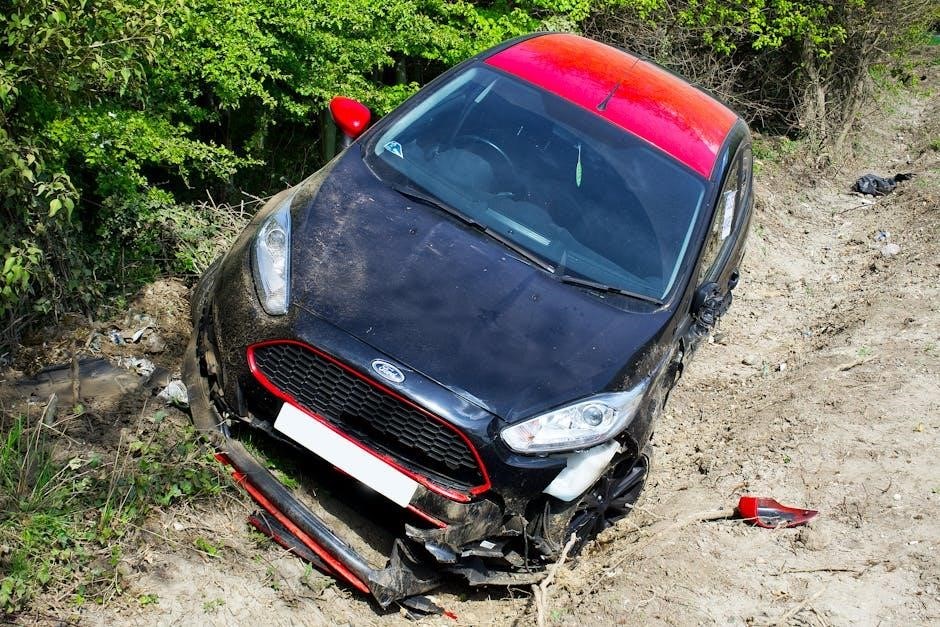
Legal and Regulatory Considerations
Current licensing doesn’t differentiate between manual and automatic transmissions. Future regulations might focus on enhanced driver training‚ potentially addressing automation’s impact on skills.
Current Licensing Requirements for Manual and Automatic Transmissions
Presently‚ the United Kingdom‚ and many other regions‚ do not impose distinct licensing requirements based on whether a driver learns and tests in a manual or automatic vehicle. A standard driver’s license generally permits operation of either transmission type. However‚ this creates a situation where individuals may pass their driving test in an automatic‚ gaining a license‚ and then operate a manual vehicle without formal training in its specific techniques. This practice raises concerns about preparedness for varied driving scenarios and potential skill gaps‚ especially considering the increased driver engagement required by manual transmissions.
Potential for Future Regulations Regarding Driver Training
Given the observed trends of increasing first-year drivers testing in automatics and subsequently driving manuals‚ future regulations could address this skill disparity. Potential changes might include mandatory modules for manual transmission operation within standard driver education‚ or a tiered licensing system. Such a system could initially restrict new drivers to the transmission type they were tested on‚ promoting competency. Alternatively‚ requiring supplemental training for those transitioning between transmission types could enhance road safety and address potential risks associated with unfamiliar vehicle control.
Psychological Factors
Driver confidence and risk perception significantly influence driving style‚ potentially impacting accident rates. Transmission preference may correlate with attentiveness and situational awareness behind the wheel.
Driver Confidence and Transmission Preference
Individual driver confidence levels often intertwine with their preferred transmission type. Those comfortable with manual transmissions might exhibit heightened engagement‚ fostering a sense of control. Conversely‚ drivers opting for automatics may feel more relaxed‚ potentially leading to diminished focus. This preference isn’t solely about skill; it’s about perceived ease and comfort. A driver’s self-assessment of their abilities‚ coupled with the vehicle’s responsiveness‚ shapes their overall driving experience and‚ potentially‚ their safety margins on the road.
Risk Perception and Driving Style
A driver’s inherent risk perception significantly influences their driving style‚ and this can be affected by the transmission. Manual drivers‚ actively involved in gear selection‚ may develop a heightened awareness of speed and engine response‚ fostering a more cautious approach. Automatic drivers‚ with less direct control‚ might exhibit a different risk assessment‚ potentially leading to over-reliance on the vehicle’s systems. This interplay between perception‚ style‚ and transmission type contributes to varying accident profiles.
Statistical Analysis Limitations
Establishing a clear relationship between transmission type and accident rates is challenging due to correlation versus causation issues‚ alongside potential sample size and data bias.
Correlation vs. Causation – Establishing a Clear Relationship
Determining whether a correlation exists between transmission type and accident rates‚ and crucially‚ if that correlation implies causation‚ presents a significant hurdle. Simply observing a higher accident rate among automatic vehicles‚ for instance‚ doesn’t prove automatics cause more accidents. Other factors – driver experience‚ road conditions‚ and driver behavior – heavily influence outcomes. Isolating transmission type as the sole causative agent is statistically difficult‚ requiring meticulously controlled studies to rule out confounding variables and establish a genuine causal link‚ which remains elusive.
Sample Size and Data Bias
The reliability of any study examining transmission type and accident rates hinges on adequate sample size and minimizing data bias. Limited datasets or skewed samples – for example‚ overrepresentation of new drivers who often choose automatics – can distort results. Anecdotal evidence‚ like single-vehicle accident reports‚ lacks the rigor of comprehensive statistical analysis and shouldn’t be considered definitive proof. Obtaining truly representative crash data‚ accounting for all relevant variables‚ remains a substantial challenge‚ impacting the validity of conclusions drawn.
Resources for Further Research
WorldCat ISBN: 0724173293 offers relevant data. Government transportation safety websites provide crash statistics and reports for deeper investigation into this topic.
WorldCat ISBN: 0724173293
This ISBN references a resource potentially containing valuable data regarding the relationship between transmission type and accident rates. The document‚ spanning 35 pages‚ explores topics like driver experience‚ licensing‚ and risk assessment. Key terms include automatic control‚ automation‚ crash rates‚ and injury severity. It specifically addresses recently qualified drivers and statistical analysis related to transmissions‚ offering insights into the complexities of this ongoing debate. Finding a library with this resource via http://worldcat.org/isbn/0724173293 could prove beneficial for comprehensive research.
Government Transportation Safety Websites
Accessing official government transportation safety websites is crucial for obtaining credible accident data. These resources often contain detailed statistics‚ crash reports‚ and research findings related to vehicle safety. Investigating these sites may reveal data concerning transmission type as a variable in accident analysis‚ though isolating it can be challenging. Exploring these platforms offers potential insights into trends‚ contributing factors‚ and preventative measures related to both manual and automatic transmissions and overall road safety.
Current evidence presents an inconclusive link between transmission type and accident rates; studies show varied results‚ demanding further research and comprehensive data analysis.
Recap of Key Findings
The analysis reveals a fragmented understanding of the relationship between manual and automatic transmissions and accident occurrences. Notably‚ the UK currently lacks specific studies directly linking transmission type to accident likelihood. Conversely‚ a 2008 Japanese investigation indicated a potentially higher accident rate—nearly double—for automatic vehicles‚ excluding head-on collisions and fatal crashes where rates were similar. Driver engagement‚ particularly during critical maneuvers like acceleration and merging‚ appears to be a key factor‚ with manual transmissions potentially fostering greater attentiveness. However‚ establishing a definitive causal link remains elusive due to data limitations and the influence of other variables.
The Ongoing Debate and Future Research Needs
The question of whether manual or automatic transmissions contribute to differing accident rates persists‚ demanding further rigorous investigation. A critical need exists for comprehensive crash data analysis that isolates transmission type as a variable‚ addressing current data collection challenges. Future research should explore the psychological factors influencing driver behavior‚ including confidence and risk perception. Additionally‚ the impact of increasingly sophisticated ADAS and the advent of fully autonomous vehicles necessitate ongoing evaluation to understand their influence on accident dynamics and driver skill retention.